Hindro Setyawan, S.Pt
Technical Support – Research and Development PT Mensana
Feed is a highly critical component in poultry farming. It represents the highest cost in livestock production, accounting for approximately 75–85% of total production expenses. High-quality feed plays a crucial role in achieving optimal poultry performance, whether in terms of meat growth or egg production.
Feed must be able to meet the birds’ nutritional requirements to support optimal production, both in terms of quality and quantity (feed intake). Feed quality control must be conducted properly and strictly, starting from raw material reception, through the production process (grinding to mixing), and continuing to packaging and distribution to farms.
Proper and Strict Feed Quality Control
Purchased feed as well as self-formulated feed (self-mixing) must undergo quality control procedures upon arrival at the farm. Dedicated personnel should be assigned to inspect the quality of feed and feed ingredients received. Quality control measures may include :
1. Physical and Sensory Quality Control
Physical and sensory quality control is relatively simple, as it relies on the five senses. Visual inspection can identify color, texture, particle shape, and potential contamination of foreign materials. Hearing can be used to assess the sound of grains to estimate their dryness level. Smell can help detect the aroma of feed and raw materials. Measuring bulk density (the weight of feed or raw materials per unit volume) can also be performed as part of physical quality control.
To ensure optimal physical and sensory quality control, retained samples from previously used raw materials or feed should be kept as references. These samples serve as comparison standards when evaluating newly received materials. Retained samples can be stored in plastic or glass containers to maintain their quality.
2. Chemical Quality Control
Proximate analysis is the most commonly performed chemical test to determine moisture content, crude protein, crude fat, crude fiber, and ash (minerals). In addition, amino acid analysis using High Performance Liquid Chromatography (HPLC) can also be conducted. These tests require more time and incur higher costs compared to physical and sensory quality control.
Chemical testing is necessary to determine the nutritional content of raw materials and feed. This data is highly valuable for feed formulation and for verifying compatibility with the nutritional requirements of the poultry or livestock being raised.
Although nutritional data may be obtained from suppliers (through a Certificate of Analysis or COA) or from literature sources (such as journals), chemical testing should still be conducted to ensure that the raw materials or feed received meet the required standards. If the test results do not meet the standard, reformulation or the addition of premix (Masamix) can be carried out to ensure that the birds’ nutritional requirements are fulfilled. Chemical test results can also serve as feedback and negotiation material with suppliers.
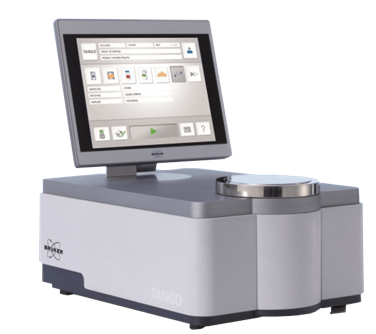
Near Infrared Reflectance Spectrophotometry (NIRS) is a testing method capable of detecting detailed nutrient content in raw materials and feed in a shorter time. NIRS technology has been widely adopted in feed mills. Mensana also utilizes NIRS to detect nutrient content in feed raw materials.
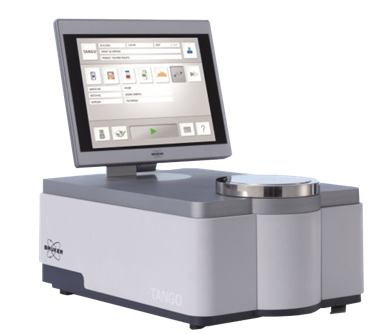
NIRS facilitates and accelerates the detection of nutrient content in feed raw materials and finished feed.
3. Biological Quality Control
Biological testing is used to evaluate the benefits of feed within the animal’s body. This can be conducted in laboratories with specialized facilities. Field implementation can be carried out by monitoring poultry or livestock performance after feeding specific raw materials or feed. This serves as proof of the quality of the selected feed ingredients. Therefore, each batch of raw materials or feed received should be assigned a specific production code. This enables identification of which raw materials or feed support optimal performance.
Raw Material Quality Database
Proper implementation of physical and sensory, chemical, and biological quality control provides significant benefits. Although it requires additional effort and cost, improved productivity and production cost efficiency can be achieved. Quality control also enables early detection of raw material conditions before being fed to poultry. If raw materials or feed do not meet standards, productivity losses can be prevented—resulting in substantial benefits.
The longer quality control is consistently performed, the more comprehensive the database becomes, which will greatly benefit the advancement of the poultry business. Decision-making and preventive or corrective actions can be implemented more quickly and accurately. Problems can be detected earlier and more comprehensively. This database is also highly valuable for more precise feed formulation.
Feed and raw material quality control is a critical step in obtaining high-quality feed. The ultimate goal is to ensure that poultry receive feed that meets their nutritional requirements, enabling optimal production and resulting in livestock products that are safe for consumption. Wishing you continued success.
